 EN
EN
 AR
AR
 BG
BG
 HR
HR
 CS
CS
 NL
NL
 FI
FI
 FR
FR
 DE
DE
 EL
EL
 IT
IT
 KO
KO
 NO
NO
 PL
PL
 PT
PT
 RO
RO
 RU
RU
 ES
ES
 SV
SV
 ID
ID
 LT
LT
 SR
SR
 UK
UK
 VI
VI
 HU
HU
 TH
TH
 TR
TR
 FA
FA
 MS
MS
 HY
HY
 AZ
AZ
 KA
KA
 BN
BN
 LO
LO
 LA
LA
 NE
NE
 MY
MY
 KK
KK
 KY
KY

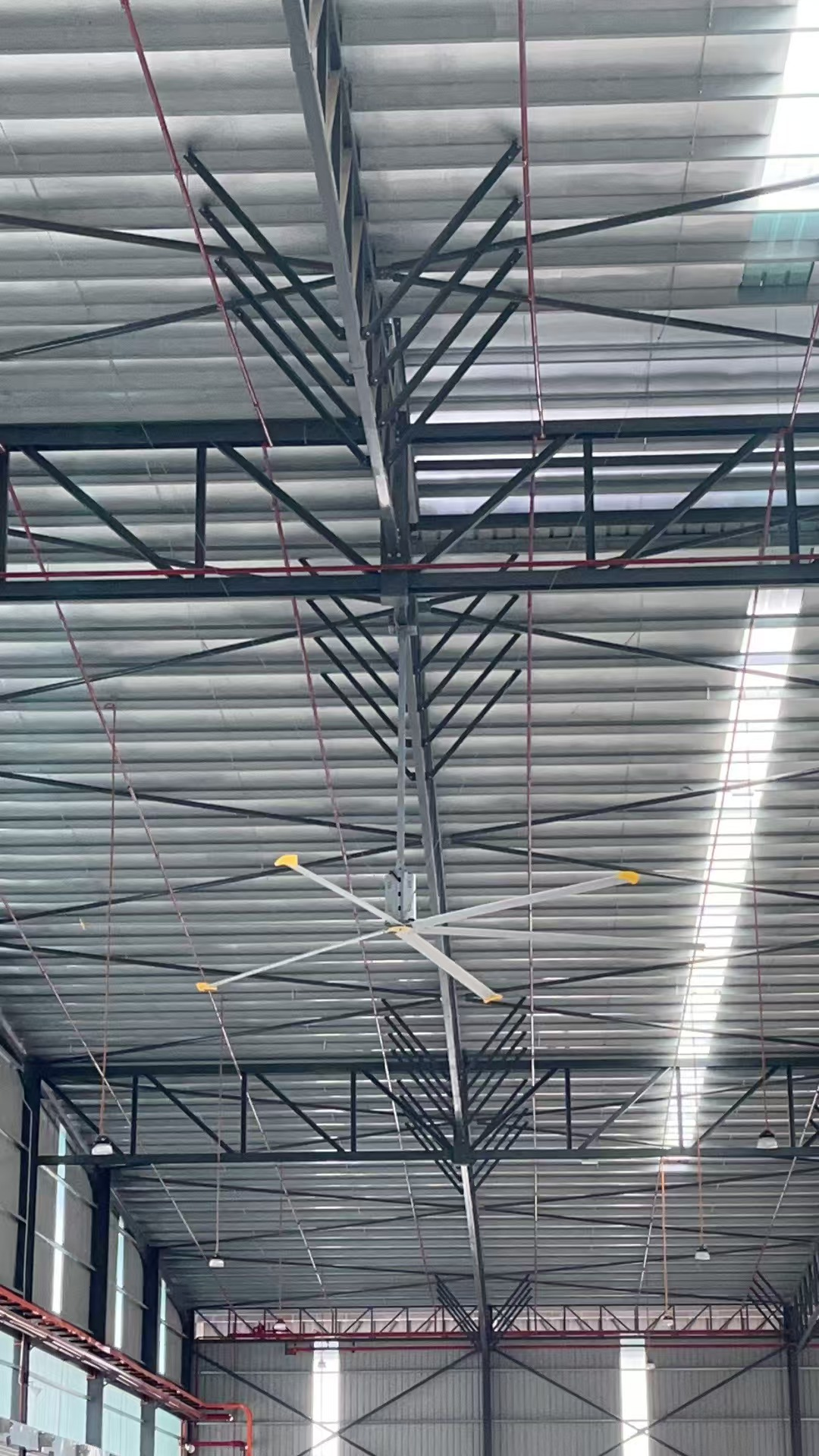
How to Choose the Right HVLS Fan Blades for Industrial Ventilation
Understanding the Role of HVLS Fan Blades in Industrial Air Movement
High-Volume Low-Speed (HVLS) fans have become an important solution for improving ventilation, temperature control, and air circulation in large industrial spaces such as warehouses, factories, distribution centers, and agricultural buildings. Unlike traditional high-speed fans that create concentrated airflow, HVLS fans use large-diameter blades rotating at low speeds to move massive volumes of air evenly across wide areas.
The performance of an HVLS fan depends heavily on its blade design. The right HVLS fan blades can improve airflow coverage, reduce energy consumption, enhance thermal comfort, and support more efficient HVAC operation. However, selecting suitable blades requires more than choosing a large size. Factors such as blade shape, material, pitch angle, facility environment, and operational requirements all influence ventilation performance.
For industrial applications, understanding how HVLS fan blades work helps facility managers and engineers choose a system that delivers consistent airflow while reducing long-term operating costs.
Airfoil Design: Why Blade Shape Matters for HVLS Fan Performance
The aerodynamic profile of HVLS fan blades directly affects how efficiently air is moved. Modern industrial HVLS fans typically use airfoil blades instead of traditional flat blades because airfoil designs create smoother airflow with less turbulence.
Airfoil blades are shaped similarly to aircraft wings. Their curved surfaces help generate lift and guide air downward in a controlled airflow column. This allows the fan to move more air with less motor power compared with flat blade designs.
Flat blades often require more energy because they depend mainly on blade angle and rotational force to push air. This can create unstable airflow, increased noise, and unnecessary motor load. In contrast, airfoil HVLS fan blades maintain better airflow consistency at low rotational speeds, making them suitable for large industrial spaces where uniform ventilation is required.
When selecting HVLS fan blades, an optimized airfoil profile can improve:
- Airflow coverage across large floor areas
- Energy efficiency during continuous operation
- Noise control in working environments
- Thermal distribution between ceiling and occupied zones
For warehouses and manufacturing facilities operating many hours per day, aerodynamic blade design plays a major role in overall system efficiency.
Choosing the Correct Blade Material for Industrial Environments
Blade material is another important factor when selecting HVLS fan blades. Different industrial environments require different levels of strength, corrosion resistance, and maintenance performance.
Aluminum HVLS Fan Blades
Aluminum is one of the most commonly used materials for industrial HVLS fan blades because it offers a strong balance between weight, durability, and aerodynamic performance.
Lightweight aluminum blades reduce the load placed on the motor, allowing the fan to operate efficiently at low speeds. Many aluminum blades also feature anodized or coated surfaces that improve corrosion resistance and protect against dust, moisture, and industrial contaminants.
Aluminum HVLS fan blades are commonly used in:
- Warehouses
- Logistics centers
- Manufacturing plants
- Commercial facilities
They provide reliable performance in environments where moderate durability and long service life are required.
Composite HVLS Fan Blades
Composite materials, including fiberglass-reinforced plastics and advanced polymers, are increasingly used for specialized applications. These materials provide excellent corrosion resistance and are suitable for harsh environments.
Composite HVLS fan blades are often selected for:
- Food processing facilities
- Chemical plants
- Agricultural buildings
- High-humidity environments
Compared with metal blades, composite materials can provide better resistance against moisture, chemicals, and corrosion while maintaining a lightweight structure.
The best blade material depends on the operating environment, maintenance requirements, and expected service conditions.
Blade Pitch Angle and Its Impact on Airflow Performance
Blade pitch refers to the angle of the blade compared with the horizontal plane. It determines how much air the blade moves during each rotation and directly affects airflow volume and motor workload.
A larger pitch angle generally creates stronger airflow because the blade pushes more air downward. However, excessive pitch can increase resistance and require more motor power. If the pitch is too small, the fan may not provide enough airflow for large industrial spaces.
The correct blade pitch depends on several factors:
- Ceiling height
- Facility size
- Required airflow speed
- Cooling or heating objectives
- Equipment layout
For example, warehouses with high ceilings often require a carefully optimized pitch angle to push warm air downward during winter destratification. Manufacturing facilities may prioritize balanced airflow to improve worker comfort and reduce heat accumulation.
Professional HVLS fan manufacturers typically adjust blade pitch according to fan diameter, motor power, and application requirements to achieve the best efficiency.
Selecting HVLS Fan Blades Based on Facility Applications
Different industrial environments have different ventilation challenges. Choosing the right HVLS fan blades requires considering how air movement will interact with the facility layout.
Warehouses and Distribution Centers
Warehouses often experience temperature differences between the floor and ceiling due to heat accumulation. HVLS fan blades with efficient airfoil designs help circulate warm ceiling air downward during winter and create cooling airflow during summer.
For these applications, blade selection should focus on:
- Large airflow coverage
- Low energy consumption
- Stable air circulation
- Compatibility with HVAC systems
Manufacturing Facilities
Factories may contain machinery, production lines, and heat-generating equipment. Airflow must be carefully distributed to avoid creating uncomfortable drafts or disturbing production processes.
HVLS fan blades with optimized aerodynamic profiles can provide:
- Improved workplace comfort
- Reduced heat buildup
- Better air circulation around equipment
- Lower HVAC demand
Agricultural Buildings
Agricultural facilities require reliable ventilation to control humidity, heat, and air quality. Blade materials with corrosion resistance are often preferred because of exposure to moisture, dust, and chemicals.
In these environments, durability and easy maintenance are key considerations when selecting HVLS fan blades.
Maintenance Considerations for Long-Term Blade Performance
Even high-quality HVLS fan blades require regular maintenance to maintain efficiency. Dust accumulation, surface damage, and imbalance can reduce airflow performance and increase motor stress.
Regular maintenance practices include:
- Inspecting blades for cracks or deformation
- Cleaning dust and industrial residue
- Checking blade balance and mounting hardware
- Monitoring unusual vibration or noise
Clean and properly balanced blades maintain better aerodynamic performance and help extend the service life of the entire HVLS fan system.
For facilities operating in dusty or harsh environments, maintenance schedules should be adjusted based on actual conditions.
How to Select the Best HVLS Fan Blades for Your Facility
Choosing the right HVLS fan blades requires a comprehensive evaluation of airflow requirements, environmental conditions, and operational goals.
Before selecting blades, consider:
- Facility size and ceiling height
- Required airflow coverage
- Operating environment and humidity levels
- Blade material durability
- Motor efficiency and energy goals
- Maintenance requirements
The ideal HVLS fan blade design combines aerodynamic efficiency, suitable materials, and application-specific performance. A properly selected blade system can improve ventilation quality, reduce energy consumption, and create a more comfortable industrial environment.
For warehouses, factories, and large commercial spaces, investing in high-performance HVLS fan blades is not only a ventilation decision but also a long-term strategy for improving operational efficiency and reducing facility costs.
Table of Contents
- Understanding the Role of HVLS Fan Blades in Industrial Air Movement
- Airfoil Design: Why Blade Shape Matters for HVLS Fan Performance
- Choosing the Correct Blade Material for Industrial Environments
- Blade Pitch Angle and Its Impact on Airflow Performance
- Selecting HVLS Fan Blades Based on Facility Applications
- Maintenance Considerations for Long-Term Blade Performance
- How to Select the Best HVLS Fan Blades for Your Facility
 ONLINE